

The right wrote a plan.
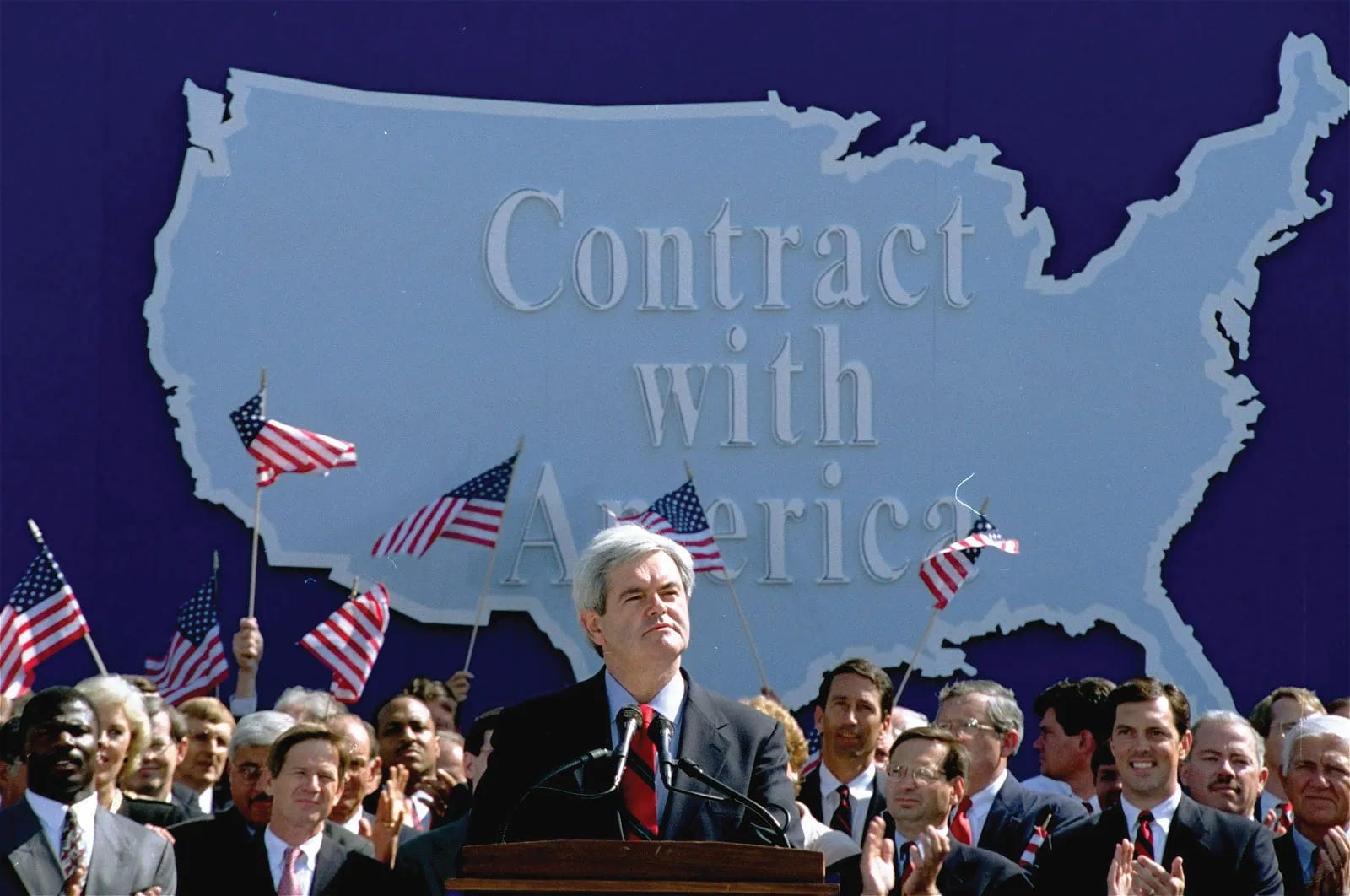
Newt Gingrich laid out ten bills and launched a campaign around them. Heritage put a thousand pages behind Project 2025, and it became the blueprint for the Trump Administration. You can hate the contents. You cannot pretend the method is mysterious: write the rules down, then govern from them.
Democrats keep focusing on vibe, feels, and the resistance— not on substantive policy proposals that actually put working Americans first.
Resistance. Joy. Restoration. Equity. America First as a caption. Kitchen table populism as a focus group. When the first sentences focus on culture, by the time the speech gets to rent, the room is already gone.
The problem is not tone.
The problem is that no governing document exists.
So, I felt the need to start working on one.
A blueprint with coherent proposals and a way to actually get them through the legislative process.
Working people do not need another rebrand. They need a referee
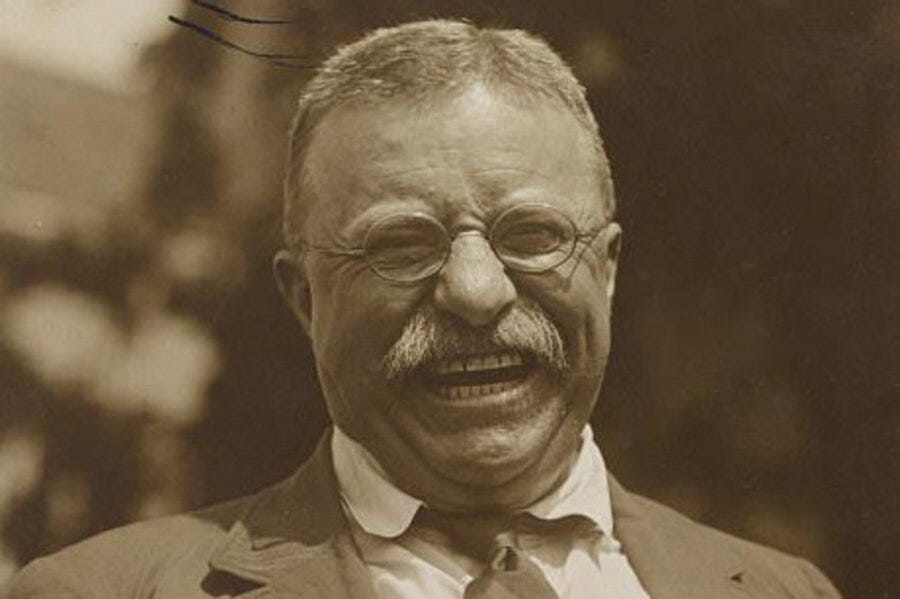
Theodore Roosevelt’s Square Deal called for a government strong enough to stop capital from rigging the system, without pretending labor is always right or business is always the villain. Conserve the resources the country lives on. Control the corporations that had grown larger than the public. Protect the consumer so a company cannot poison you and call it freedom.
The trusts changed legal form. The principle did not.
Big Tech now sets the rules of commerce the way the railroads once did. Private equity buys the hospital, the house, the clinic, and the Main Street shop. Families eat the grocery bill, the premium, the power bill, and the junk fee. Data centers drink the water and lean on the grid while the working waterfront fights for quota and the ratepayer gets the invoice. Congress trades the stock, takes the PAC check, and tells you both parties care.
The system is rigged. Ordinary workers pay.
America First without codified policy is a slogan. Equity without Hire American rules is cheap labor for corporations. Policy without investment in the American workforce is the status quo with better lighting.
Match the slogan to a rule. Back the worker with an investment.
This is the document.
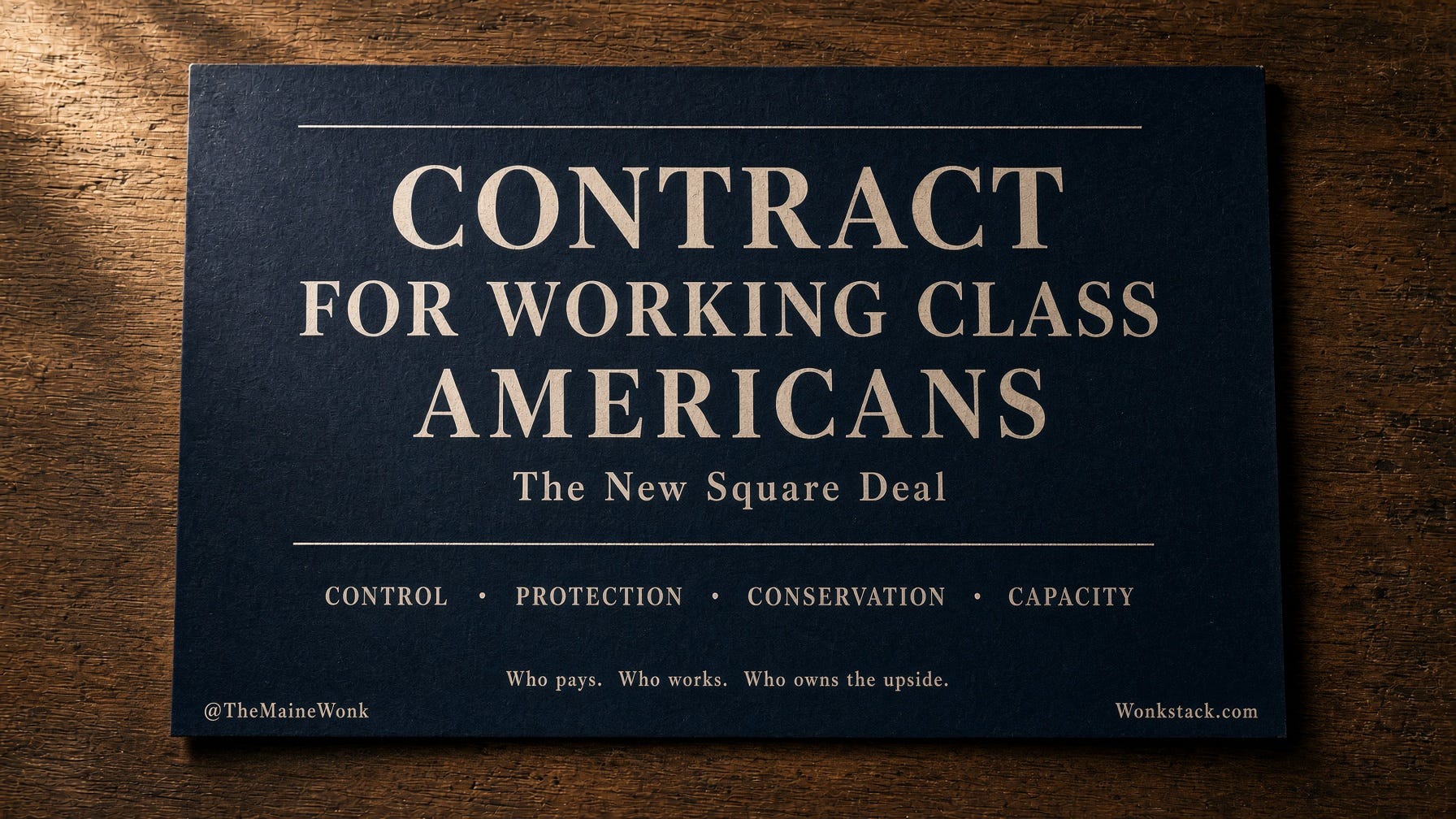
Contract for Working Class Americans.
It is a governing agenda modeled on the Contract with America and built with the seriousness of a project document. It is written for Democrats who still claim the party of work — and for anyone willing to live with a simple test:
Who pays.
Who works.
Who owns the upside.
If a coalition cannot hold a Maine logger and a Brooklyn socialist without making either the mascot, it is not a working-class coalition. It is a costume.
This post is the announcement and the outline. In the weeks and months ahead, WonkStack will publish the detailed proposals — plank by plank — with the operative text, the pay-fors, the 100-day tests, and the fights worth having. The point is not a better caption. The point is policy you can score by results.
You can fight about the wallpaper. You cannot fight about whether the house has a floor.
The New Square Deal
Roosevelt’s program is usually taught as three C’s. That is the right skeleton. It leaves out what he actually did in the 1902 coal strike: he treated labor as a party to the deal, not a nuisance.
My New Square Deal rests on FOUR PILLARS.
1. Control of corporations.
Size is not the crime. Unchecked market power is. Railroads then. Platforms, roll-ups, hospital systems, and pharmaceutical combinations now. The fight is control, not scale.
2. Consumer protection.
Rent, insulin, the power bill, and personal data are not a harvest. The Meat Inspection Act was not a lifestyle bill. It was a rule against being poisoned for profit. Protection first. Permission later.
3. Conservation.
Not just parks. Grid. Water. Working waterfronts. Forests that still have to support a living. Transmission. Fisheries. Stewardship as ordinary practice — not a display for people who already own the second home near the trailhead or on the coast. Use, not brochure.
4. Capacity.
A country that will not train its own welders, network engineers, and surgical techs will import them, then call the result diversity or a skills shortage depending on the channel. Train at home. Put a wage floor on the loopholes. Lock out layoff-and-replace. Pay for it without making the working class the residual claimant. Build the capacity.
Radical centrism, as I use it here, is not compromise for its own sake. It is the majority position the two tribes now treat as extreme: focus on working people, oppose unjust systems, refuse the diversion. The center is occupied. Donor groups would prefer you not notice.
The Twelve Planks
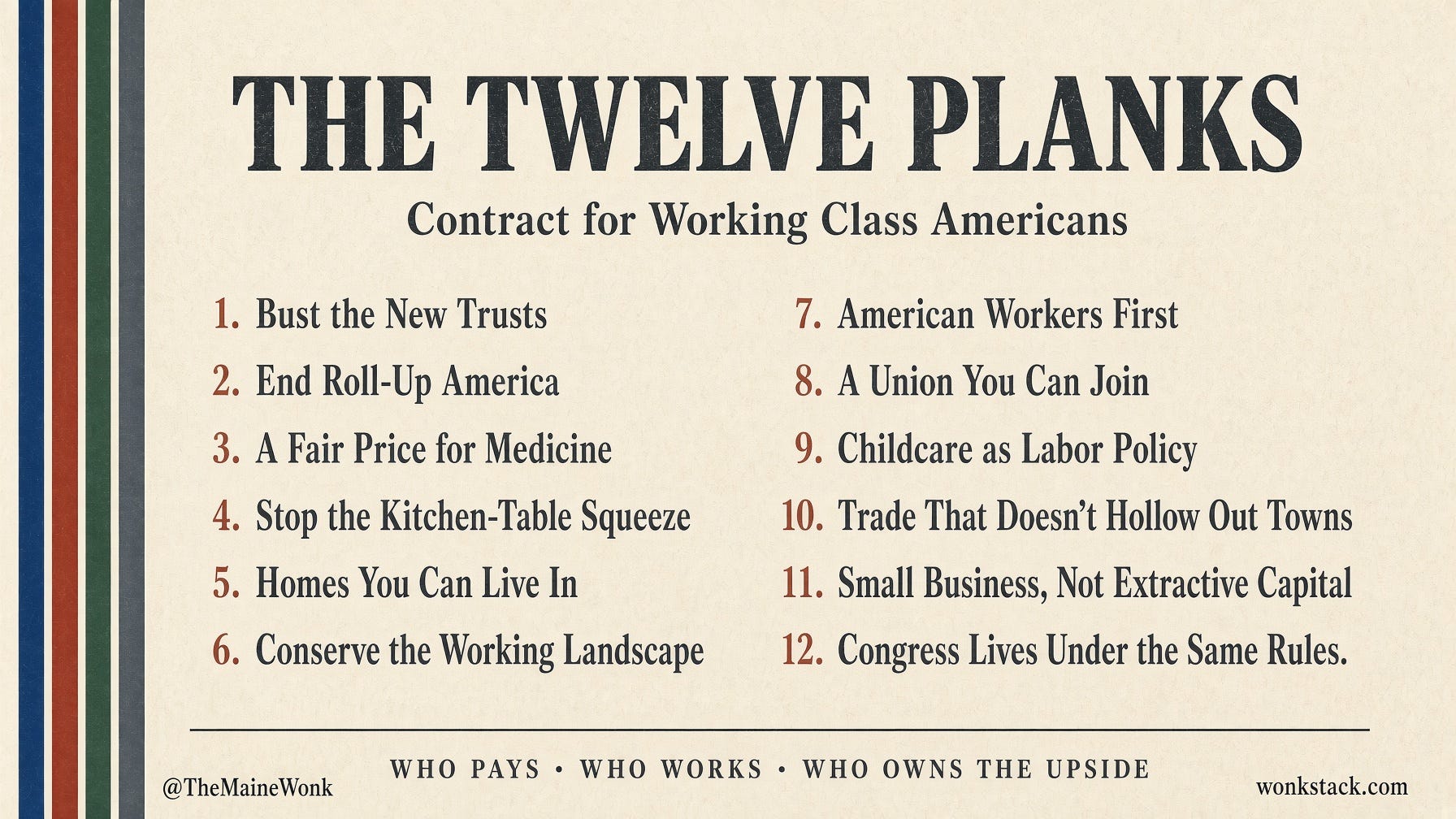
Each plank gets its own paper. Each paper does the same four jobs: name the rigging, name the rule, name who pays, and name what happens in the first hundred days so the proposals can be scored.
1. Bust the New Trusts
Platforms and AI compute now hold the power railroads once held — and the public pays the bill. Rules on interoperability, app stores, ad markets, and the concentration of compute and data. A public standard: you may be large. You may not be the house.
Payoff: the platform stops setting the terms of the whole market.
2. End Roll-Up America
Private equity has been buying the town in pieces — hospitals, houses, clinics, nursing homes, local chains — loading them with debt, extracting fees, and leaving a weaker carcass. Merger review that treats serial acquisitions as monopolization. Ban the extract-and-dump model in essential local services.
Payoff: stop the strip-out before the service is gone.
3. A Fair Price for Medicine
The modern Pure Food and Drug Act. Negotiate like a buyer. Police hospital and pharma concentration. End surprise bills and facility-fee games that turn a broken bone into a subscription.
Payoff: a family does not have to go bankrupt to stay alive.
4. Stop the Kitchen-Table Squeeze
Groceries. Power. Fuel. Junk fees. Commodity speculation that moves the price while the cashier takes the blame. Position limits and transparency in the markets that feed and heat the country. Ratepayer-funded utilities serve the public. They do not operate as trading desks.
Payoff: the household is no longer the residual claimant.
5. Homes You Can Live In
Housing is shelter. Treat it only as an asset class, and the people who build the units cannot live in them. Build supply. Tax vacancy and investor hoarding. Restrict private-equity ownership of single-family stock. Protect workforce housing and working waterfront from conversion into short-term extraction.
Payoff: homes people can actually live in.
6. Conserve the Working Landscape
Grid, water, fisheries, forests, transmission — not a brochure about wilderness. Data centers and heavy industrial load pay for the water and power they consume instead of socializing the cost onto households. Conservation includes working waterfronts, quota access, and a yard that can still build a ship.
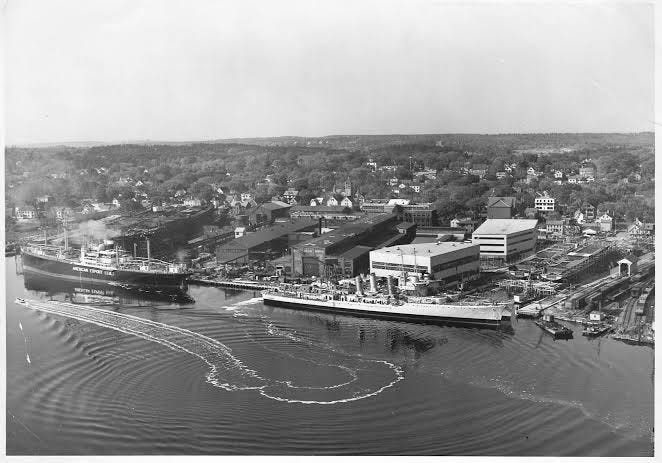
Payoff: the landscape still supports a living.
7. American Workers First
Train our own people. Put a wage floor on OPT. Lock out layoff-and-replace. Hire Americans with audits, not slogans. One million registered apprenticeships. GI Bill 2.0 for displaced workers. Deficit-neutral. Five million more Americans in shortage jobs is a governing target, not a press release.
Payoff: a thicker domestic workforce in the jobs the country claims it cannot fill. Equity that imports a cheaper worker is not equity.
8. A Union You Can Join Without Getting Fired
Roosevelt did not smash labor. He made it part of the settlement. PRO Act-style protection. Real penalties for captive-audience and replacement tactics. Sectoral bargaining where the employer is already a combination. Pair it with the training plank so “union” is not the only answer and “skills shortage” is not the loophole.
Payoff: organizing is a right, not a career-ending bet.
9. Childcare as Labor Policy
Nearly half of working-class voters are women carrying the rent, the childcare bill, and the premium. A strategy that leaves them out is not a working-class strategy. It is merch. Childcare that does not eject a parent from the labor force. Paid leave as workforce policy, not an optional cultural benefit.
Payoff: parents can stay at work without going broke.
10. Trade That Doesn’t Hollow Out Towns
Tariffs that hammer farm country and the hockey-stick aisle without a rebate are a tax with better branding. Labor and environmental floors in trade. Industrial policy where capacity is national security. Household rebates so protection does not land on the same people already paying the grocery bill.
Payoff: trade policy that does not eat the town it claims to save.
11. Small Business, Not Extractive Capital
The Square Deal was never anti-business. It was anti-crooked combination. Credit and succession so shops stay local instead of getting rolled up. A tax code that does not treat a firefighter worse than a billionaire’s accountant. Procurement that reaches yards, shops, and fisheries — not only the usual primes.
Payoff: the local firm can survive contact with the combination.
12. Congress Lives Under the Same Rules
Process first. Members of Congress do not trade stocks. The revolving door shuts. Real-time PAC and donor transparency. Independent audits of earmark-for-donor patterns. If a lobsterman in Stonington steered a no-bid contract to his cousin through a dummy LLC, we would know what to call it. Same rule for the House. Same rule for the Senate.
Payoff: the referee is not also in the pool.
What this is not
It is not a purity test.
It is not a culture-war document with an economic appendix. Disagreement on wallpaper is allowed. Disagreement on whether the house has a floor is not.
It is not “both sides” theater. Oligarchs donate to both parties. Consultants live on the split. Algorithms reward the fight. None of that changes the grocery bill.
It is not Project 2025 with a donkey on the cover, and it is not a 1994 photocopy. The method is the same: write the rules down, attach them to a governing majority, and let voters throw you out if you break them.
The series
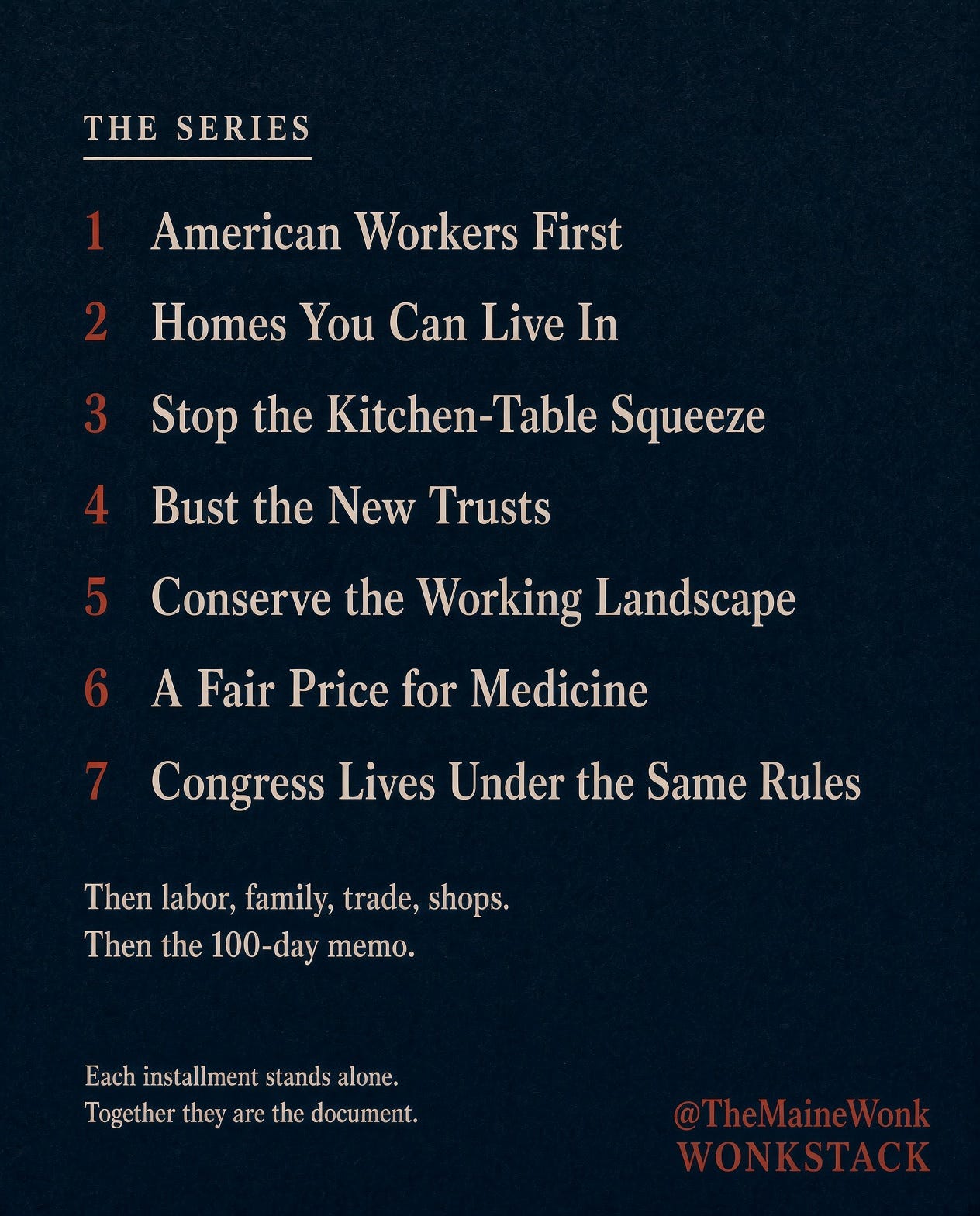
WonkStack will publish the Contract the way you actually govern: one plank at a time, then the pay-fors, then the 100-day stack.
Coming first: American Workers First — the updated Act, the wage floor, the lockout, and the training target that does not require a tax hike to sound moral.
Then, in sequence:
Homes You Can Live In
Stop the Kitchen-Table Squeeze
Bust the New Trusts / End Roll-Up America
Conserve the Working Landscape
A Fair Price for Medicine
Congress Lives Under the Same Rules
The remaining labor, family, trade, and small-business planks
The closing governing memo: first hundred days, reconciliation map, and what a party has to give up to mean it
Each installment stands alone as a proposal. Together they are the document.
If Democrats want the working class back, this is the floor of the house. If they want to keep losing rooms they used to own, they can start with the wallpaper.
The radicals are in the middle now. The working class is screaming for help from both parties.
And here is our contract.
— Maine