


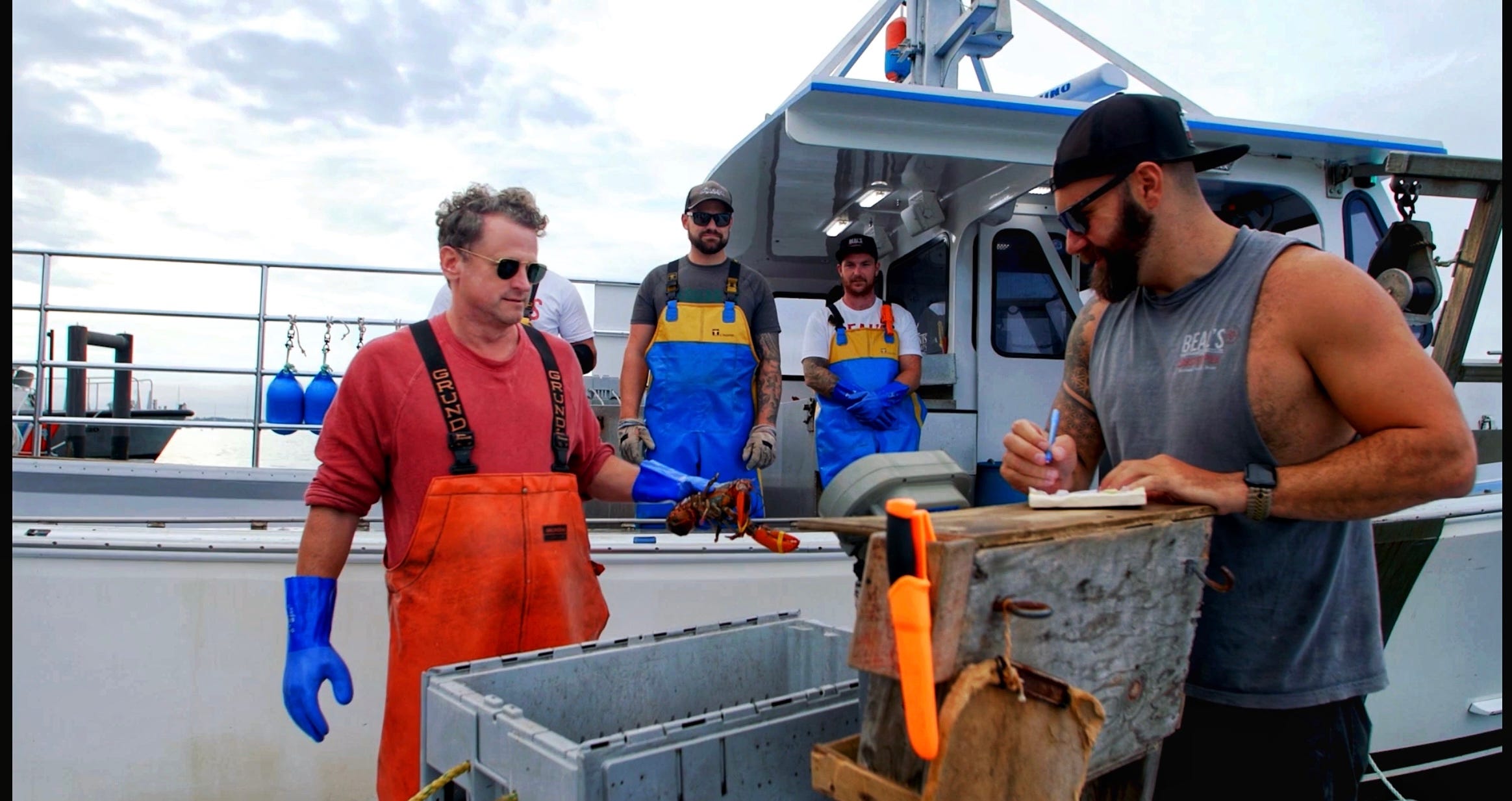
In late August, I ran an X article arguing that the Trump administration’s America First Seafood strategy was mostly branding and had little to do with the real constraints facing the Maine lobster industry. My family owns and operates Beal’s Lobster Pier in Southwest Harbor, a year-round working waterfront business that has bought, processed, wholesaled, and retailed Maine lobster since Harvard Beal founded it in 1932. For nearly a century, the pier has sat at the center of the local fishery—taking catch from boats, moving product through the supply chain, and dealing with the same biological, regulatory, and market constraints that shape the industry today. That direct, multi-generational involvement in the day-to-day realities of a working lobster dock provides some context for my analysis below.
Landings had been down for four years running. Recruitment was under pressure from a warming Gulf of Maine. 40-60% of the fall catch still had to go through Canadian processing. Gear and fuel costs were up. The right whale statutes were on hold, not repealed. The piece ended by saying that Trump and the GOP weren’t in any real way addressing the structural issues facing the owner-operators on the Maine coast.
Two months later, the White House officially released the strategy, and Seafood.gov launched. The fact sheet that went with it explicitly identifies “in particular the Maine lobster fisheries” as a priority for restored profitability via improved import certification, regulatory reform, industry partnerships and expanded market access. It includes a voluntary “U.S. Caught Seafood” label and over $5 bn in USDA guaranteed loans to upgrade processing capacity. The same week Senator Collins had secured the inclusion of commercial fishermen and lobstermen in the USDA’s $8 bn Harvest Fuel Relief Program and announced narrow (effective 30 October) exemptions from the 50% Canada tariffs on packaging, plastic crates, refrigeration equipment, certain agricultural machinery and seaweed.
These are genuine administrative actions, and they fit the August diagnosis: they are policy gestures, not a solution to the actual fishery.
The Catch Is Still Falling for Reasons an Executive Order Cannot Repeal
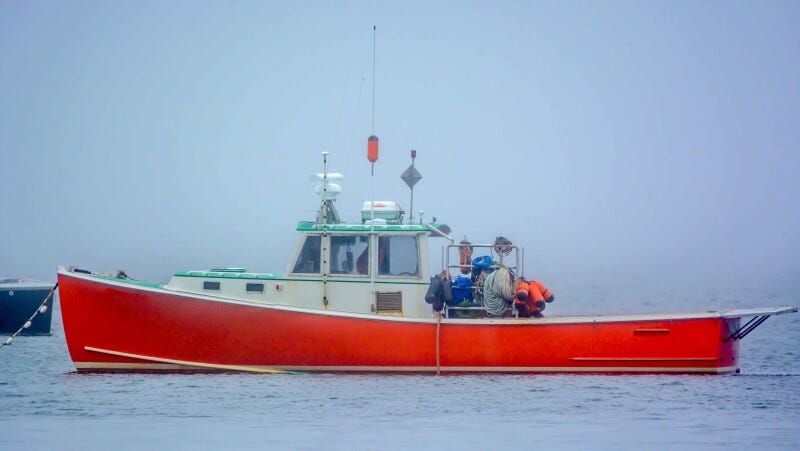
Maine landed 78.8 million lbs in 2025, the lowest total since 2008, after about 21,000 fewer trips and a dock value decline of more than $75m. The ASMFC’s most recent assessment puts Gulf of Maine/Georges Bank abundance at approximately 34% of the 2018 peak. The stock is not collapsing this year; it is simply below the level scientists would consider sustainable at the industry’s current scale. Fishermen still catch the vast majority of lobsters that molt into legal size. That model only works if enough animals come through. There aren’t.
Researchers keep coming back to the same set of drivers: a rapidly warming Gulf, thermal stress as the water moves past the preferred range of the lobster, and a decline in Calanus finmarchicus (the fat-rich plankton that the lobsters actually eat). That bottleneck doesn’t show up at the dock for years. Southern New England has already experienced the consequences. “Increase production” is not a conservation plan. If recruitment is down, then you’re just going to harvest that smaller year class faster.
Processing and Trade Still Run Through Canada
In a normal year, 40 to 60% of Maine’s catch, particularly the summer and fall run of the weaker new shell product, gets trucked over to Canada to become tails and meat.
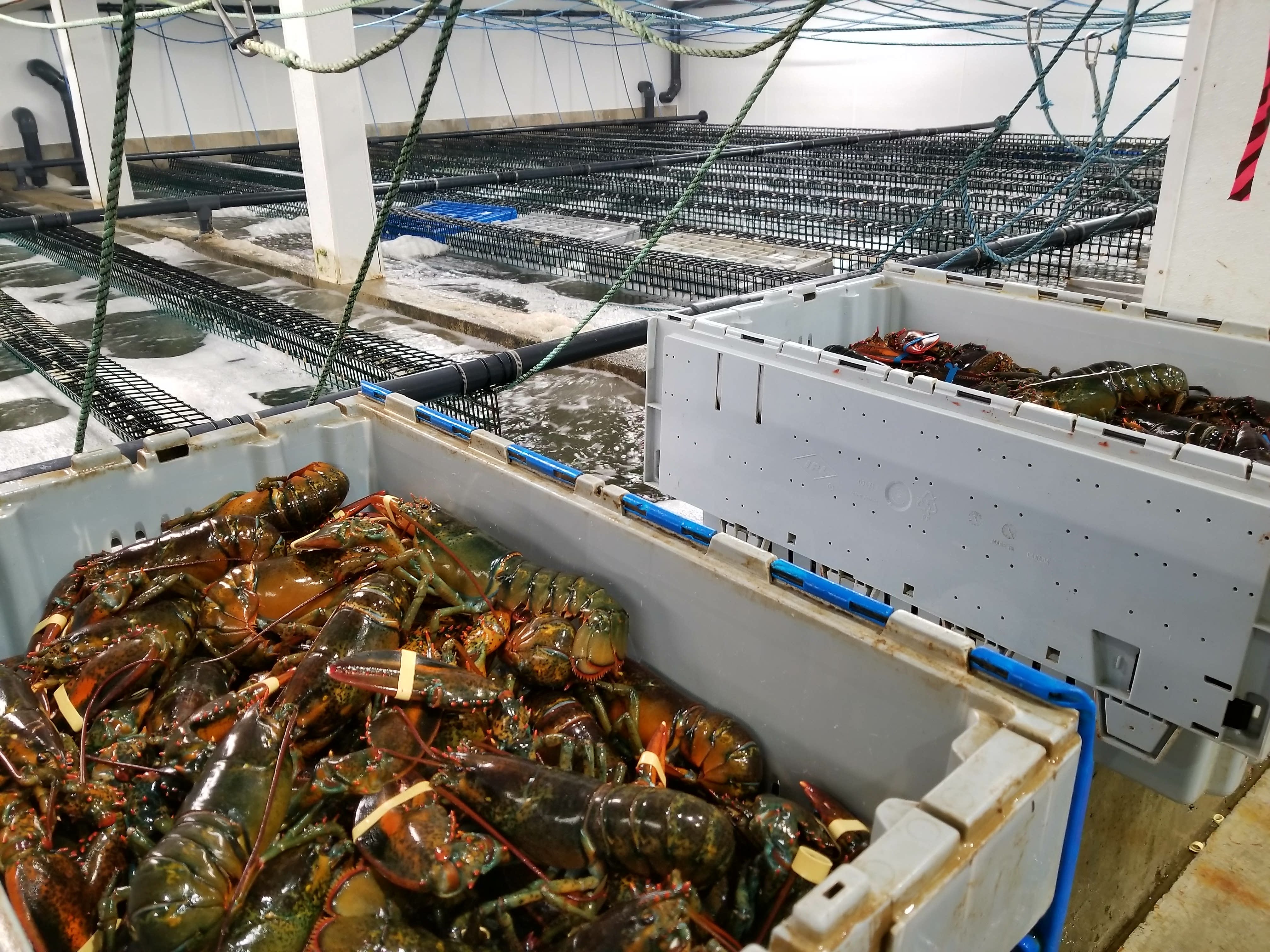
Maine processors (Shucks, Ready Seafood, Bold Coast, etc.) do useful work. The problem is that they don’t have the spare line capacity to take the autumn peak. Canadian plants were built over many decades to handle short, intense seasons. Maine’s historic advantage was proximity to the live markets in Boston and New York. The two systems were designed to work together. That’s industrial geography, not a lack of patriotism.
The $5 million in processing loans and the language around removing permitting barriers are clearly in the right direction in the long term. Factories still need capital; they still need year-round volume; they still need labor; they still need wastewater capacity; and they still need waterfront. They won’t be able to cope with next fall’s volume. The October tariff exemptions will help with the packaging and equipment used by the blueberry, potato, apple, and seaweed operations. They won’t help with the steel, wire, rope, and bait that have already driven up trap costs, and they won’t restore the durable duty-free treatment for live and processed lobster going both ways. The continued use of a New Brunswick plant as collateral remains a threat to the only system that currently clears the catch.
A Whale Pause is time. It is not a fix.
White House support for extending the congressional moratorium on new right whale rules through 2035 is the part of the agenda that the fleet actually asked for. Before the 2022 pause, the proposed rules looked like a shutdown. Buying time makes sense. The ESA and MMPA don’t expire in 2035. Right whales are still critically rare.
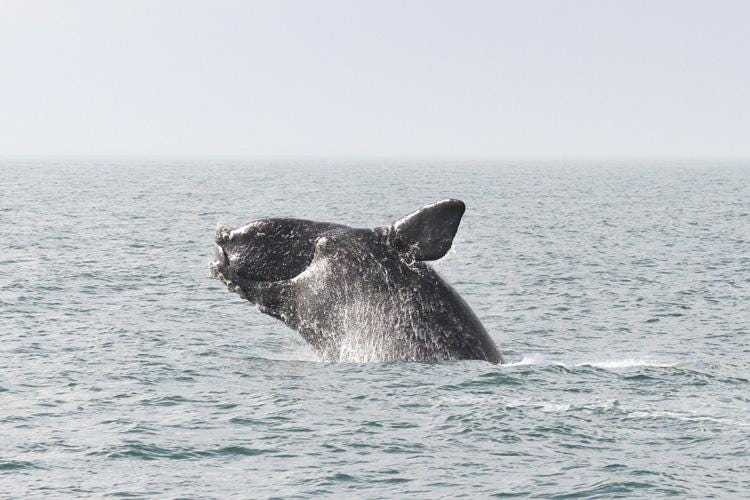
Entanglement remains a documented threat across the range, even though confirmed Maine gear incidents have been very low in recent years. Ropeless/on-demand systems are still very expensive, often non-interoperable, and operationally difficult on mixed grounds with hundreds of small owner-operator boats. Industry estimates for a forced transition are in the tens of millions. Maine’s Innovative Gear Library is the right kind of work. A presidential brand and a longer countdown don’t alter the physics of a 40-footer in January or the fleet’s capital position.
The Harvest Fuel Relief Program is by far the most straightforward cost item in the package that actually has an impact. Maine diesel has been running well above $6/gallon.
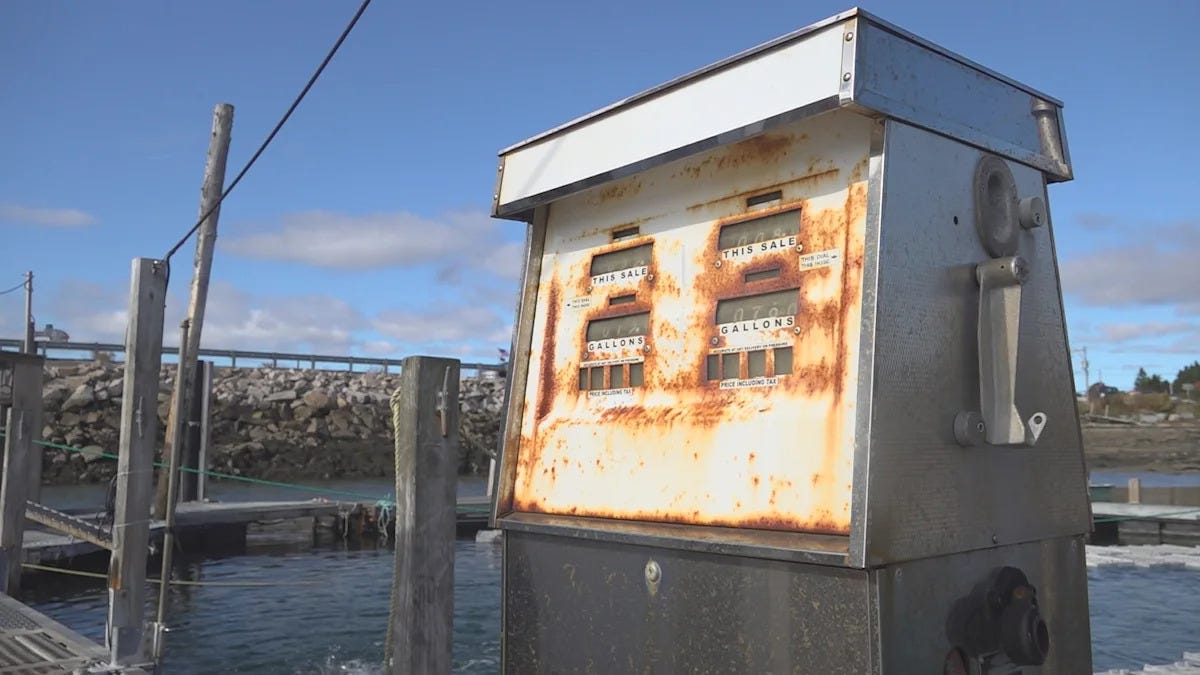
One-off payments, if the rates and timing help non-Title I producers, will improve margins this year. They don’t reduce the underlying cost of fuel, gear, or bait.
What Would Actually Work
If it is actually more viable for the owner-operator businesses on the Maine coast in ten years, then the agenda still has to be in line with the fishery that exists:
Manage for the animals that are coming: fund larval and Calanus monitoring as infrastructure. Improve the tools the fleet already uses (aggressive V-notching, vent and bio-panel discipline, real penalties for the worst of the worst) rather than go with gauge hikes that reduce the legal catch while Canada fishes right next door. Plan for a lower volume, higher value fishery.
Protect the Canada corridor. Keep live and processed lobster duty-free both ways. Put the commercial fishing inputs (trap steel, wire, rope, bait) on a durable exemption list. USMCA stability is far more important to this industry than any monument proclamation or consumer education campaign.
Build Maine processing with checks. Targeted grants, workforce training, waterfront infrastructure and permitting support for plants that can take the fall volume (without metal tariffs driving up their construction costs). Domestic capacity is insurance. It won’t replace the Canadian scale we’ll need next season.
Replace the static whale rules with dynamic ones and pay for the gear you want. Use real time detection to open and close water rather than rely on calendar boxes that have been drawn years in advance. Keep testing the on-demand systems. If at some point some areas do in fact require them then the federal government will buy the units and fund the training. Improve the entanglement forensics so that the rules are actually in line with the risk (including in Canadian waters).
Cut the costs that are actually on the boat. Input exemptions and bait supply will do more for net income than school lunch marketing or a new label.
The Hard Truth
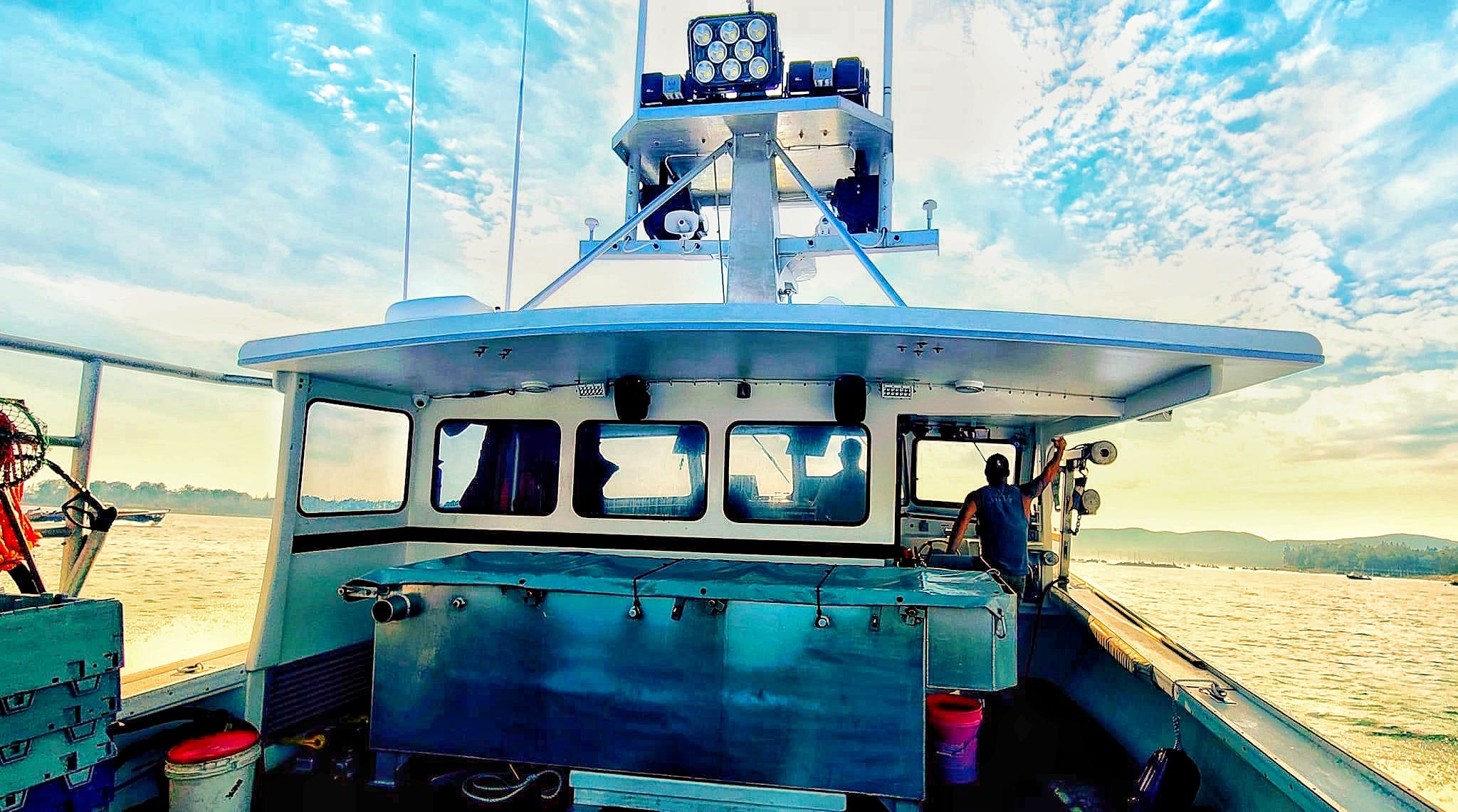
Maine lobster isn’t in trouble because some foreigner has looted a seamount off Cape Cod or because a USDA man hasn’t been to the Portland Fish Exchange yet. It’s under pressure because the Gulf is changing, the boom years had a very favorable climate, the trips are expensive, and the only processing system that can take the fall catch is on the other side of a border which recent trade policy has repeatedly treated as a bargaining chip. That’s the problem the policy has to answer.
The Oct package names Maine lobster, provides processing financing, and offers Collins a one-off fuel relief he can claim in a tight race. That’s all true. It doesn’t reverse the recruitment decline, rewrite the Canada supply chain, or remove the statutes that will still be there when the pause ends. As I said in August, an America First seafood policy that doesn’t make those limitations clear will keep winning press conferences. It’s not going to save the owner-operator model. The fleet needs lobsters in the water, affordable gear, a plant that can take the catch, and trade policy that treats the North American lobster system as one industry rather than as a series of separate pieces of collateral. All the rest of it is just branding.